Introduction
You’ve invested serious money into your gaming rig. The RGB glows. The fans hum. The frame rates are buttery smooth—until suddenly, they aren’t. What happened? In most cases, it’s heat. And that’s exactly why Download Real Temp for Intel CPU: Keep Your Gaming Rig Cool and Fast is more than just a catchy phrase—it’s a practical step toward protecting your performance.
If you’ve ever experienced unexpected shutdowns, stuttering during intense gaming sessions, or unexplained drops in FPS, your CPU temperature could be the silent culprit. Modern Intel processors are powerful, but power generates heat. Without proper monitoring, you’re essentially driving a sports car without a temperature gauge.
In this guide, we’ll explore why temperature monitoring matters, how Real Temp works, how to install it safely, and how it compares to other CPU temperature tools. Whether you’re a casual gamer or an overclocking enthusiast, this is essential reading.
Why CPU Temperature Monitoring Matters
Heat is the enemy of performance. Period.
Intel CPUs are designed with thermal protection systems, but when temperatures exceed safe limits—often above 85–100°C depending on the model—your processor will throttle performance to prevent damage. This process is called thermal throttling, and it can reduce clock speeds dramatically.
What Is Thermal Throttling?
Thermal throttling is when your CPU automatically reduces its clock speed to lower heat output. While this prevents hardware damage, it also:
- Drops gaming frame rates
- Slows down rendering tasks
- Causes system instability
- Leads to unexpected shutdowns
In competitive gaming, even a 10% drop in performance can mean the difference between winning and losing.
Safe Temperature Ranges for Intel CPUs
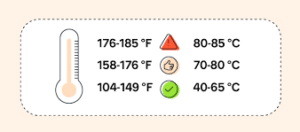
Here’s a general reference table:
| CPU State | Ideal Temperature Range |
|---|---|
| Idle | 30–45°C |
| Gaming | 60–80°C |
| Heavy Load | 75–85°C |
| Critical | 90°C+ |
When you Download Real Temp for Intel CPU: Keep Your Gaming Rig Cool and Fast, you gain real-time visibility into these numbers—no guesswork required.
Download the Latest Version
Look for the latest Real Temp version compatible with your Intel CPU. It’s typically packaged in a ZIP file and doesn’t require installation — just extract and run.

- Latest Version: 3.70
- Requirements: Windows XP / Vista / Windows 7 / Windows 8 / Windows 10 / Windows 11
- File Size: 323 KB
- Updated: Jan 16, 2012
- Developer: TechPowerUp
What Is Real Temp for Intel CPU?
Real Temp is a lightweight, specialized CPU temperature monitoring tool designed specifically for Intel Core processors. Unlike bloated system monitoring software, it focuses on what matters most: core temperature accuracy.
What Makes Real Temp Different?
- Designed specifically for Intel CPUs
- Reads Digital Thermal Sensors (DTS)
- Minimal resource usage
- No unnecessary system clutter
- Accurate TjMax calibration
When gamers say they want precise readings, this is what they mean.
How to Download Real Temp for Intel CPU: Keep Your Gaming Rig Cool and Fast
Let’s walk through the process safely and correctly.
Step 1: Find a Trusted Source
Always download from reputable tech websites or official distribution platforms. Avoid random third-party download pages.
Step 2: Extract the ZIP File
Real Temp usually comes as a portable application. That means:
- No complex installation
- No registry edits
- Just extract and run
Step 3: Launch the Application
Double-click the executable file. You’ll immediately see:
- Core temperatures
- Distance to TjMax
- CPU load percentage
It’s clean. Simple. No fluff.
When users Download Real Temp for Intel CPU: Keep Your Gaming Rig Cool and Fast, they often notice how refreshingly minimal the interface feels.
Key Features of Real Temp
1. Per-Core Temperature Monitoring
Modern Intel CPUs have multiple cores. Real Temp displays each one separately, so you can identify uneven heat distribution.
2. Distance to TjMax
This is crucial.
TjMax is the maximum safe junction temperature. Instead of just showing raw temperature, Real Temp shows how far your CPU is from danger.
For example:
- Core Temp: 75°C
- TjMax: 100°C
- Distance: 25°C
That 25°C buffer matters.
3. Logging and Data Tracking
You can log temperature data over time, which helps:
- Diagnose airflow problems
- Monitor overclocking stability
- Identify thermal paste issues
4. Calibration Options
Advanced users can adjust TjMax values for precise accuracy.
Understanding CPU Temperature Readings
Not all temperature spikes are bad.
Idle vs Load Temperatures
Your CPU will always run hotter under stress. If you’re running:
- AAA games
- Video rendering
- Stress tests like Prime95
- AI model processing
Expect higher temperatures.
However, if idle temps exceed 55°C, you likely have:
- Dust buildup
- Poor airflow
- Failing thermal paste
- Incorrect cooler installation
After you Download Real Temp for Intel CPU: Keep Your Gaming Rig Cool and Fast, monitor idle and load temperatures for at least 15–20 minutes.
Real Temp vs Other CPU Monitoring Tools
Let’s compare it with popular alternatives.
| Feature | Real Temp | Core Temp | HWMonitor |
|---|---|---|---|
| Intel Focused | Yes | Partial | No |
| Lightweight | Yes | Yes | Moderate |
| GPU Monitoring | No | No | Yes |
| Logging | Yes | Yes | Yes |
| Portable | Yes | Yes | No |
If you’re strictly focused on Intel CPU temperatures, Real Temp often feels more precise and less cluttered.
Many gamers Download Real Temp for Intel CPU: Keep Your Gaming Rig Cool and Fast because it does one job exceptionally well.
Optimizing Your Gaming Rig for Better Cooling
Monitoring is only step one. Fixing heat is the real goal.
Improve Airflow
- Add intake and exhaust fans
- Ensure cables aren’t blocking airflow
- Maintain positive air pressure
Upgrade CPU Cooler
Stock coolers are fine—but not great.
Consider:
- Aftermarket air coolers
- AIO liquid cooling systems
- Custom loop cooling (for enthusiasts)
Replace Thermal Paste
Thermal paste dries out over time. Replacing it every 2–3 years can drop temps by 5–10°C.
Clean Dust Regularly
Dust is a silent killer. Clean your PC every 3–6 months.
When you consistently use Download Real Temp for Intel CPU: Keep Your Gaming Rig Cool and Fast, you’ll quickly see which upgrades make a measurable difference.
Troubleshooting Overheating Issues
If temperatures exceed 90°C:
- Check fan operation
- Verify heatsink installation
- Reapply thermal paste
- Improve case ventilation
- Reduce overclock settings
In reality, most overheating issues are airflow-related.
Personal Background: The Developer Behind Real Temp
Real Temp was developed by Kevin Glynn, known in hardware enthusiast communities as “UncleWebb.” He’s not a flashy Silicon Valley CEO—he’s a dedicated hardware enthusiast who built the tool to solve a problem he personally faced: inaccurate temperature readings on Intel processors.
Career Journey
- Active in overclocking forums
- Known for technical precision
- Built Real Temp as a free utility
- Continually refined TjMax calibration methods
Achievements
- Widely adopted in enthusiast communities
- Trusted by PC builders worldwide
- Recognized for sensor accuracy improvements
Estimated Financial Insight
Real Temp is free software. It wasn’t built as a commercial empire but as a community tool. Unlike major hardware monitoring companies, this project focused on utility over monetization.
That authenticity shows.
Frequently Asked Questions
Is Real Temp safe to use?
Yes. It’s a lightweight monitoring tool that reads CPU sensors. It doesn’t modify hardware settings.
Does Real Temp work on all Intel processors?
It supports most Intel Core-based processors. However, very new architectures may require updated tools.
Can Real Temp damage my CPU?
No. It only monitors temperature; it doesn’t control voltage or frequency.
How often should I check CPU temperature?
Gamers should monitor temps periodically, especially after installing new hardware or overclocking.
What temperature is too high for Intel CPUs?
Generally, sustained temperatures above 90°C are concerning.
Does Real Temp work with AMD CPUs?
No. It’s specifically designed for Intel processors.
Is Real Temp better than BIOS monitoring?
Yes. BIOS shows idle temps only. Real Temp shows real-time load temps.
Can I use Real Temp while gaming?
Absolutely. It uses minimal system resources.
Conclusion
Heat management isn’t glamorous—but it’s critical. Your Intel CPU is the heart of your gaming rig, and ignoring its temperature is like ignoring your car’s engine warning light.
When you Download Real Temp for Intel CPU: Keep Your Gaming Rig Cool and Fast, you gain control. You stop guessing. You start optimizing. And you protect the performance you paid for.
Gaming is about speed, precision, and immersion. Don’t let overheating quietly sabotage your experience. Monitor smartly, cool efficiently, and keep your system running exactly the way it was meant to—fast, stable, and unstoppable.